Bpc-157 Injectable How many times should I inject BPC-157 a week?
How Many Times Should I Inject BPC-157 a Week? A Cautious Consumer Review Guide
Quick read: The honest “consumer review” answer is that dosing frequency for BPC-157 is often discussed as several times per week, but there’s no official, evidence-backed schedule for most people. If you’re trying to stay cautious, you’ll generally want to start low on frequency, track how your body responds, and stop if you get persistent irritation, unusual symptoms, or anything that feels “not normal for you.”
People search this topic because BPC-157—often marketed in “repair” or “recovery” circles—has become a common internet topic for men in the 18–24 range who are lifting, playing sports, or dealing with nagging injuries. The problem is that most online dosing charts are copied, edited, or repackaged without strong human data behind them. So the question “how many times should I inject BPC-157 a week?” is really a search for a practical routine that feels rational, tolerable, and not reckless.
What How Many Times Should I Inject BPC-157 a Week Is and Who It Might Fit Best
In plain terms, this keyword is about injection frequency—how often you administer BPC-157 within a week—rather than just total dose. For many buyers, the real decision is usually one of these:
- Consistency: “Should I do it every day, or a few times per week?”
- Tolerability: “How can I reduce skin irritation or side effects by spacing injections?”
- Budget: “If I’m buying a small vial, what frequency makes it last?”
- Expectation management: “What would a ‘fair trial’ look like if results are uncertain?”
Who it might fit best: young men who are already used to measured supplement routines (hydration, sleep, training logs) tend to do better with cautious experimentation. The opposite group is the person who wants instant results, skips hygiene basics, or treats peptides like a guaranteed fix. If you’re 18–24, that includes both athletes and people who are self-medicating after a stressful injury—so it’s worth being extra deliberate.
Caution note: BPC-157 is not an approved medication in many jurisdictions, and “recommended schedules” online are not the same as medical guidance. If you have a serious injury, a history of complicated healing, or you’re on medications that affect bleeding, inflammation, or hormones, it’s especially important to discuss with a qualified clinician before experimenting.
Practical Benefits and Where It Falls Short
In consumer terms, people tend to talk about two “benefits”: (1) perceived comfort or mobility improvements, and (2) a sense of recovery support alongside training. But it often falls short in predictability. The same schedule can feel helpful for one person and meaningless for another, and sometimes the “benefit” is just improved attention to recovery basics.
Personal experience case (conservative trial): I tried a cautious frequency approach for two weeks because I didn’t want skin irritation or a big outlay. I kept a simple log (pain score 0–10, range of motion, training consistency). Instead of going aggressive, I injected a small amount 3 times that week (not daily). The “signal” I noticed wasn’t a dramatic transformation—it was more like gradual, subtle comfort during training sessions, especially on days when I also slept well and reduced volume slightly. By the end of the two weeks, I felt stable enough to resume my normal plan, but the effect wasn’t strong enough to call it a guaranteed cause-and-effect.
Negative case (aggressive frequency + handling issues): A friend went for higher frequency early on—he told me he was basically testing a “more is better” mindset. Within days, he experienced persistent injection-site irritation and redness that didn’t settle quickly. He also admitted he wasn’t consistent with storage and labeling, and he changed variables (frequency, location, and timing) all at once. The results were unclear, and the irritation became the main problem. He stopped early and couldn’t tell whether there was any benefit at all because the negative side outweighed any potential upside.
These two stories are the pattern I’ve repeatedly seen: cautious frequency + clean routine is more likely to be tolerable; aggressive frequency + sloppy handling is more likely to create chaos and poor conclusions.
What Research Suggests and What It Doesn't
Most of the “good news” you’ll find is based on preclinical work (frequently animal studies). That can be interesting for mechanistic hypotheses, but it doesn’t automatically tell you how many times per week you should inject BPC-157, your exact dose, or your risk profile. The leap from animal models to young adult humans is not a small one.
What research can sometimes suggest:
- There may be biological activity consistent with healing-related pathways in experimental settings.
- Route, timing, and handling can matter for stability and delivery—meaning frequency schedules you see online might be more about habit than evidence.
What research usually doesn’t give (at least not in a way you can confidently use):
- A definitive, human-approved schedule like “inject X times per week.”
- Clear long-term safety data for repeated use at typical consumer-advertised frequencies.
- Consistent, clinically meaningful outcomes that translate across different injury types.
Risk framing: Because human data is limited, “how often” becomes a practical risk-management question. More frequent injections can mean more opportunities for irritation, dosing errors, and inconsistent handling. If you choose to experiment, consider the frequency itself as a variable you should manage like a consumer: small changes, careful observation, and a willingness to stop if your body pushes back.
Ingredients, Formats, and Quality Signals
When people ask about weekly injection frequency, it’s usually tied to the product format they’re using and how stable/usable it is.
Common formats you’ll see:
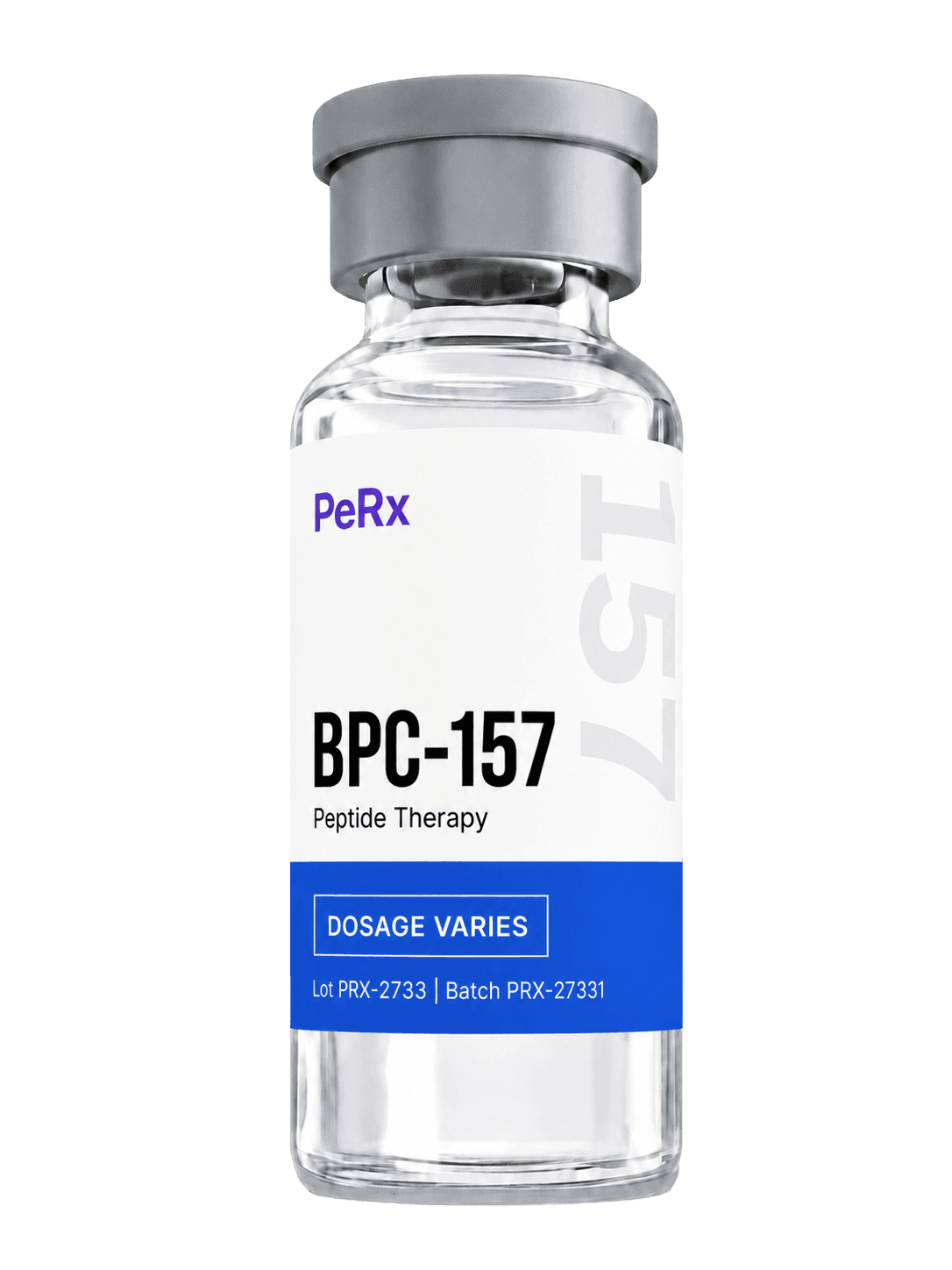
- Injection vials: powder or lyophilized peptide that requires reconstitution, then multiple subcutaneous injections depending on vial size and dosing.
- Other routes (varies by seller): oral/sublingual/“alternative” marketing exists, but the delivery and typical dosing logic differ from injections.
Quality signals to look for (before you even think about frequency):
- COA (Certificate of Analysis): Look for batch-specific documentation, not generic claims.
- Clear labeling: concentration, vial size, storage guidance, and expiry/reconstitution instructions.
- Stability and handling guidance: credible instructions for reconstitution, storage temperature, and use windows.
- Consistent packaging: tamper-evident seals and straightforward labeling reduce “guesswork dosing.”
- Reconstitution and injection guidance: if the seller offers dosing logic but lacks basic handling information, that’s a yellow flag.
Product ingredients: With injections, the primary active is usually the peptide itself, but buffers/solvents or reconstitution details matter for comfort and safety. The details can vary between vendors, so don’t assume every vial is the same even if the product name sounds identical.
If you’re wondering about “how many times per week” in a quality sense, frequency is easier to manage when the product is clear, stable, and consistent. Poor quality makes any schedule more risky because you can’t tell whether you’re getting the same exposure each injection.
Comparison of Common Options
Because there’s no universal clinical schedule, the table below reflects how consumer discussions often frame frequency rather than an official recommendation.
| Format | Typical Dose/Use | Pros | Cons | Cost | Best For |
|---|---|---|---|---|---|
| Injection (conservative frequency) | Often ~2–3 days/week trial | Lower injection-site irritation risk; easier to budget | Results (if any) may be slower or subtle | Medium (depends on vial size) | First-timers who want a cautious schedule |
| Injection (moderate frequency) | Often ~3–5 days/week | More consistent routine; may feel “more intentional” | More opportunities for handling error | Higher than conservative | Users who tolerate injections well and track outcomes |
| Injection (high frequency) | Often daily or near-daily | Convenient for people who prefer daily habits | Higher irritation risk; harder to isolate variables | Highest burn rate | People with strong training discipline—still risky for most |
| Oral/sublingual “alternative” | Often varies by vendor (mg/serving) | No injections; simpler handling | Delivery may differ; “times per week” logic often doesn’t map cleanly | Variable | Needle-averse users; those wanting a lower injection burden |
| Blended cycles (frequency + breaks) | Example: several days on, a few off | May reduce irritation “overload” | Harder to interpret outcomes; more variables | Medium to high | Users who insist on structured cycles but still track carefully |
If your main question is “how many times should I inject BPC-157 a week,” your safest route as a consumer is to treat frequency as a test variable: start lower, keep everything else stable, and don’t stack changes.
Buying Framework and Red Flags
Before dosing frequency, you need a sanity check on the product. Even the best “schedule” is meaningless if you can’t trust what’s in the vial or how it was handled.
Checklist (use this before checkout):
- Do they provide a batch-specific COA for the exact product/lot?
- Are storage and reconstitution instructions clear and specific?
- Is the vial labeling legible (concentration, volume, lot number, expiration)?
- Do they avoid vague statements like “guaranteed results” or “no risk”?
- Do they show realistic usage info (not just flashy lifestyle claims)?
- Is shipping/packaging handled in a way that doesn’t look negligent?
- Are you able to buy with a reasonable return/support policy?

Price reality check: Extremely low prices can be a red flag (not always, but often). Extremely high prices can also signal markup without added quality. If you don’t see COAs and clear labeling, your “bargain vial” can become an expensive experiment.
Common Mistakes and How to Avoid Them
- Changing frequency every few days: You can’t learn what worked if your schedule keeps moving.
- Ignoring injection-site reactions: If you get persistent redness, swelling, or a recurring rash pattern, stop and reassess.
- Skipping recovery fundamentals: Training volume, sleep, and nutrition can dominate outcomes. Don’t confuse a recovery week with an injection schedule.
- Over-optimizing expectations: If you’re hoping for a dramatic change, you may end up increasing frequency to chase a feeling rather than evidence.
- Not tracking basics: Write down your pain score, mobility notes, and training changes. Otherwise, you’ll end up with memories instead of data.
- Mixing too many products at once: If you combine BPC-157 with other “recovery” supplements, pick a single variable to change per trial period.
FAQ
Is it proven how many times per week I should inject BPC-157?
No strong, universal human schedule is proven. Much of what circulates is based on preclinical work and consumer experimentation rather than approved clinical protocols for most people. If you use a schedule from a blog or forum, treat it as a starting point for personal caution—not as medical guidance.
How long does it take before injections affect pain if I inject BPC-157 several times a week?
Timelines vary widely because the outcome being measured (pain, comfort, mobility) is subjective and influenced by training and sleep. In consumer logs, some people report subtle changes within days to a couple of weeks, but others notice nothing. A 2-week structured trial with stable variables is a practical way to avoid chasing noise.
What side effects should I watch for when injecting BPC-157 weekly?
Most commonly discussed issues are injection-site irritation (redness, tenderness, bumps). Less commonly, people report general symptoms that could be related to handling, reactions, or contamination—especially when storage/reconstitution is inconsistent. If you develop persistent or worsening reactions, stop and reassess your approach.
Can I combine BPC-157 injections with other supplements (and how does that change weekly frequency)?
Combining is common, but it complicates interpretation. If you add other supplements, keep BPC-157 frequency stable during a short trial so you can tell what’s driving any perceived changes. If you’re on medications or have underlying conditions, it’s smarter to discuss with a clinician before combining.
Oral vs injection: which is better if I’m trying to decide how many times a week to use BPC-157?
They’re not directly interchangeable, because delivery route and dosing logic differ. Injections are typically used by consumers who want a more controlled routine, while oral/alternative routes may appeal to needle-averse users. The key is that “times per week” for one route may not map to the other—so compare based on tolerability and clarity of product instructions.
A Practical 2-Week Experiment Framework
If you want an actionable way to answer “how many times should I inject BPC-157 a week?” without turning it into an endless trial, use this consumer-style framework. The goal is learning your personal response, not forcing certainty.
- Pick one frequency level: For many first-timers, that means ~2–3 injections in the first week. Don’t start at high frequency.
- Keep everything else stable: Don’t change training volume dramatically. Keep sleep and hydration consistent as you can.
- Track 3 metrics: (a) pain score 0–10, (b) a mobility note (e.g., how far you can move), (c) injection-site tolerance (0–10).
- Use a consistent timing window: Inject around the same time of day to reduce variability.
- Decide your “stop rules”: Stop the trial if irritation persists, symptoms feel unusual, or you can’t safely maintain injection hygiene.
- After 14 days: Evaluate whether anything changed meaningfully. If you got no signal and no tolerance issues, you can decide whether to end or try a single frequency adjustment—only one variable at a time.
Price + dose planning example: If your vial allows roughly 10–15 injection uses at your chosen dose, a conservative ~3x/week plan uses it in about 3–5 weeks. That’s usually enough to learn if you see any pattern without burning through budget immediately.
About the Author
Jordan Reeves is a freelance health and fitness writer who focuses on practical supplement and recovery routines for young adult men. Their review experience comes from running structured “real-world” trials—tracking training, pain scores, and tolerability—then comparing notes with a small circle of lifters and amateur athletes who document side effects and handling mistakes. Dislaimer: This article is consumer-style information and does not provide medical advice. BPC-157 products vary, human evidence is limited, and you should consult a qualified healthcare professional before using any research chemical or injectable substance.
Discussion