Chương trình phát triển Nhượng quyền thương mại
Làm thế nào để Nhượng quyền Hệ thống Kinh doanh?
Chương trình Phát Triển Nhượng Quyền Transworld sẽ bao gồm các tài liệu đã được chuẩn bị về việc nhượng quyền: Tài Liệu Công Bố Nhượng Quyền Thương Mại Cố Định (UFDD), Hợp Đồng Nhượng Quyền Thương Mại, và một bộ công cụ hỗ trợ bao gồm: sổ tay vận hành, trang web thiết kế riêng cho doanh nghiệp, tài liệu marketing – quảng cáo, ấn phẩm quảng cáo, và một cố vấn cá nhân về nhượng quyền giúp bạn dễ dàng tiếp cận đến tiêu chuẩn của các Chuyên gia Nhượng quyền.
Làm thế nào để Kinh Doanh Theo Mô Hình Nhượng Quyền?
Mỗi Khách hàng sẽ có một Chuyên Viên Nhượng Quyền giàu kinh nghiệm, quen thuộc từng chi tiết nhỏ nhất của ngành công nghiệp nhượng quyền hướng dẫn. Họ sẽ tạo ra một Chương trình Nhượng quyền chứa từng mục riêng biệt phù hợp với từng cá nhân, và song song đó sẽ làm việc sâu sát với các cá nhân đó để cùng tạo ra một kết quả mà cả hai mong đợi.
Chương trình Phát triển Nhượng Quyền Transworld sẽ được cấu trúc theo nhu cầu cá nhân của Khách hàng. Việc tài trợ cho chương trình này có thể được cung cấp với các điều khoản được tùy chỉnh cho doanh nghiệp của bạn. Nếu bạn cảm thấy công ty của mình đủ điều kiện để phát triển hệ thống nhượng quyền, hãy liên hệ với chúng tôi để hai bên cùng sắp xếp thời gian trò chuyện.
Các Chuyên Viên Nhượng Quyền sẽ làm việc cùng bạn và nhân viên của bạn để xác định cách cấu trúc tốt nhất cho chương trình nhượng quyền của riêng bạn. Tất cả các mục cần thiết như: thực thể doanh nghiệp về chấp thuận quy định, giới hạn trách nhiệm, yêu cầu công khai tài chính, ảnh hưởng của thuế, tiêu chuẩn kiểm toán, việc sử dụng thương hiệu, khả năng thành lập công ty spin-off trong tương lai, yêu cầu quy định của Ủy ban Thương mại Liên bang, đều sẽ được xem xét. Rõ ràng, để có thể cấu trúc nên một hệ thống nhượng quyền mang tính cá nhân, ta cần có nghiên cứu chuyên sâu, kiến thức và kế hoạch để xác định đúng phương hướng bám sát với mong muốn.
Trong lĩnh vực nhượng quyền, Tài Liệu Công Bố Nhượng Quyền Thương Mại và Hợp Đồng Nhượng Quyền Thương Mại không chỉ là các tài liệu pháp lý mà thôi. Chúng bao gồm các khía cạnh tài chính của một doanh nghiệp, kiểm soát chất lượng, hệ thống và quy trình vận hành, marketing, các lựa chọn/ giải pháp thay thế trong tương lai, và nhiều khía cạnh kinh doanh khác. Những văn bản này bao quát rất rộng. Luật sư chuẩn bị các tài liệu này chỉ giới hạn trong vấn đề pháp lý, và thường không có đủ kiến thức hoặc kinh nghiệm trong tất cả các lĩnh vực khác nhau để phát triển các tài liệu như: hướng dẫn vận hành, marketing, và các mặt hàng buôn bán. Và chúng tôi sẽ thay họ giải quyết tất cả các vấn đề này.
Chương trình Phát triển Nhượng Quyền Transworld sẽ được cấu trúc theo nhu cầu cá nhân của Khách hàng. Việc tài trợ cho chương trình này có thể được cung cấp với các điều khoản được tùy chỉnh cho doanh nghiệp của bạn. Nếu bạn cảm thấy công ty của mình đủ điều kiện để phát triển hệ thống nhượng quyền, hãy liên hệ với chúng tôi để hai bên cùng sắp xếp thời gian trò chuyện.
Các Chuyên Viên Nhượng Quyền sẽ làm việc cùng bạn và nhân viên của bạn để xác định cách cấu trúc tốt nhất cho chương trình nhượng quyền của riêng bạn. Tất cả các mục cần thiết như: thực thể doanh nghiệp về chấp thuận quy định, giới hạn trách nhiệm, yêu cầu công khai tài chính, ảnh hưởng của thuế, tiêu chuẩn kiểm toán, việc sử dụng thương hiệu, khả năng thành lập công ty spin-off trong tương lai, yêu cầu quy định của Ủy ban Thương mại Liên bang, đều sẽ được xem xét. Rõ ràng, để có thể cấu trúc nên một hệ thống nhượng quyền mang tính cá nhân, ta cần có nghiên cứu chuyên sâu, kiến thức và kế hoạch để xác định đúng phương hướng bám sát với mong muốn.
Trong lĩnh vực nhượng quyền, Tài Liệu Công Bố Nhượng Quyền Thương Mại và Hợp Đồng Nhượng Quyền Thương Mại không chỉ là các tài liệu pháp lý mà thôi. Chúng bao gồm các khía cạnh tài chính của một doanh nghiệp, kiểm soát chất lượng, hệ thống và quy trình vận hành, marketing, các lựa chọn/ giải pháp thay thế trong tương lai, và nhiều khía cạnh kinh doanh khác. Những văn bản này bao quát rất rộng. Luật sư chuẩn bị các tài liệu này chỉ giới hạn trong vấn đề pháp lý, và thường không có đủ kiến thức hoặc kinh nghiệm trong tất cả các lĩnh vực khác nhau để phát triển các tài liệu như: hướng dẫn vận hành, marketing, và các mặt hàng buôn bán. Và chúng tôi sẽ thay họ giải quyết tất cả các vấn đề này.
Nhượng quyền các Sản phẩm và Dịch vụ Kinh doanh
Dưới đây là danh sách một phần các sản phẩm và dịch vụ mà chúng tôi cung cấp trong Chương Trình Phát Triển Nhượng Quyền Transworld cho các công ty đủ điều kiện:
- FDD - Tài Liệu Công Bố Nhượng Quyền Thương Mại.
- Biểu mẫu Đăng ký Nhượng quyền do Luật sư của chúng tôi cung cấp nếu bạn cư trú tại tiểu bang đăng ký nhượng quyền thương mại.
- Marketing, Quảng Cáo và Bán Hàng bởi các Chuyên gia về Nhượng quyền của chúng tôi.
- Phát triển trang web Nhượng quyền cho cá nhân.
- Ấn phẩm quảng cáo bắt mắt.
- Liên tục cập nhật và marketing để hỗ trợ Khách hàng.
- Đăng ký thương hiệu bởi Luật sư Thương hiệu
- Quảng cáo PPC (Pay-per-click).
- Chương trình Môi Giới Nhượng quyền để bán các sản phẩm nhượng quyền.
- Hướng dẫn Vận hành dành riêng cho doanh nghiệp của bạn.
Các Chuyên Viên Nhượng quyền trong Chương Trình Phát Triển Nhượng Quyền Transworld sẽ chuẩn bị cho bạn tài liệu pháp lý, hướng dẫn vận hành, và tài liệu marketing, cùng bạn xuất sắc đi đến mục tiêu đã kỳ vọng.
Yêu cầu về Hợp đồng Nhượng quyền
Mỗi bên bán nhượng quyền phải có một Hợp đồng Nhượng quyền mô tả kỹ lưỡng về sự cung cấp cho người nhận nhượng quyền. Ngoài ra, Ủy ban Thương mại Liên bang yêu cầu các nhà nhượng quyền phải trình bày cho các bên nhận nhượng quyền Tài liệu Tiết lộ, FDD chứa thông tin chi tiết về công ty nhượng quyền và ban điều hành của công ty đó. Nếu nhà nhượng quyền được thành lập tại tiểu bang yêu cầu đăng ký nhượng quyền, các tài liệu đăng ký bang phải được chuẩn bị và gửi đến bang của bạn.

Hợp đồng Nhượng quyền Thương mại
Chuyên Viên Nhượng quyền sẽ chuẩn bị Hợp đồng Nhượng quyền Thương mại để xác định ràng buộc hợp đồng giữa bạn (Bên Nhượng quyền) và các đối tác nhượng quyền của bạn (Bên nhận Nhượng quyền). Thỏa thuận này sẽ được phát triển cùng với thông tin đầu vào từ những phân tích và đề xuất của Chương trình Phát triển Nhượng quyền Transworld, đồng thời sẽ dựa trên thông lệ hiện tại của ngành và những phát triển gần đây trong luật nhượng quyền thương mại. Thỏa thuận nhượng quyền xác định mối quan hệ giữa bạn (Bên Nhượng quyền) và các bên nhận Nhượng quyền.

Tài liệu Công bố Nhượng quyền Thương mại (FDD)
Một Chuyên Viên Nhượng Quyền sẽ chuẩn bị bộ tài liệu công bố theo yêu cầu của Ủy ban Thương mại Liên bang và các cơ quan quản lý của tiểu bang, và nộp cho Luật sư của chúng tôi để xem xét và phê duyệt. Tài liệu này sẽ chứa thông tin cần thiết theo quy định của FTC, và sẽ bảo vệ hình ảnh và uy tín của bạn, giúp đảm bảo nhất quán các hoạt động và bảo vệ cho cá nhân Bên nhận Nhượng quyền này sang Bên nhận Nhượng quyền khác khỏi các bất lợi không mong muốn.
Bộ tài liệu sẽ cung cấp cho ứng viên bên nhượng quyền các thông tin nền chi tiết về công ty nhượng quyền, như: chi tiết cụ thể về các lãnh đạo (họ là ai, lịch sử kinh doanh…); cấu trúc tổ chức của công ty nhượng quyền; khái niệm kinh doanh; vốn cần thiết của Bên nhận Nhượng quyền; các khóa đào tạo; điều khoản chấm dứt v.v.
Chuyên viên về Nhượng quyền sẽ xác định cách tốt nhất để cấu trúc franchise của bạn, thực thể công ty theo quy chế chấp nhận của cơ quan quản lý, giới hạn trách nhiệm, yêu cầu tiết lộ tài chính, hậu quả thuế, tiêu chuẩn kiểm toán, việc sử dụng thương hiệu, khả năng phân chia trong tương lai, và yêu cầu của Ủy ban Thương mại Liên bang và các cơ quan quản lý của tiểu bang.
Chuyên viên Nhượng quyền sẽ quyết định cấu trúc nào là tốt nhất cho thực thể doanh nghiệp về chấp thuận quy định, giới hạn trách nhiệm, yêu cầu công khai tài chính, ảnh hưởng của thuế, tiêu chuẩn kiểm toán, việc sử dụng thương hiệu, khả năng thành lập công ty spin-off trong tương lai, yêu cầu quy định của Ủy ban Thương mại Liên bang.
Bộ tài liệu sẽ cung cấp cho ứng viên bên nhượng quyền các thông tin nền chi tiết về công ty nhượng quyền, như: chi tiết cụ thể về các lãnh đạo (họ là ai, lịch sử kinh doanh…); cấu trúc tổ chức của công ty nhượng quyền; khái niệm kinh doanh; vốn cần thiết của Bên nhận Nhượng quyền; các khóa đào tạo; điều khoản chấm dứt v.v.
Chuyên viên về Nhượng quyền sẽ xác định cách tốt nhất để cấu trúc franchise của bạn, thực thể công ty theo quy chế chấp nhận của cơ quan quản lý, giới hạn trách nhiệm, yêu cầu tiết lộ tài chính, hậu quả thuế, tiêu chuẩn kiểm toán, việc sử dụng thương hiệu, khả năng phân chia trong tương lai, và yêu cầu của Ủy ban Thương mại Liên bang và các cơ quan quản lý của tiểu bang.
Chuyên viên Nhượng quyền sẽ quyết định cấu trúc nào là tốt nhất cho thực thể doanh nghiệp về chấp thuận quy định, giới hạn trách nhiệm, yêu cầu công khai tài chính, ảnh hưởng của thuế, tiêu chuẩn kiểm toán, việc sử dụng thương hiệu, khả năng thành lập công ty spin-off trong tương lai, yêu cầu quy định của Ủy ban Thương mại Liên bang.

Các tiểu bang yêu cầu đăng ký, không đăng ký và trình bày hồ sơ về hệ thống nhượng quyền
Chuyên Viên Nhượng quyền sẽ chuẩn bị các đơn đăng ký nhượng quyền cần thiết mà các cơ quan quản lý của tiểu bang của bạn yêu cầu.

Hướng dẫn vận hành hệ thống nhượng quyền
Chuyên Viên Nhượng Quyền sẽ phát triển các cẩm nang sau cho Doanh nghiệp Nhượng quyền của bạn:
- Cẩm nang Tham khảo Kinh doanh.
- Cẩm nang Quản lý Nhân sự.
- Cẩm nang Nhân viên.
- Cẩm nang và Biểu mẫu Vận hành cơ bản.
Thông qua các phân tích và đánh giá đầu vào, các chuyên viên sẽ xác định phong cách, phạm vi và hình thức của cẩm nang, sau đó sẽ ghi lại quy trình và thu thập thêm thông tin.

Công tác đăng ký thương hiệu
Chuyên Viên Nhượng Quyền sẽ đăng ký tên thương hiệu và logo quảng cáo của bạn với Văn phòng Sáng chế và Nhãn hiệu Hoa Kỳ.
Chiến lược Marketing, Quảng cáo, và Bán hàng của Hệ thống Nhượng quyền
Chuyên Viên Nhượng quyền sẽ phát triển chiến lược marketing để bán các hệ thống nhượng quyền của bạn. Họ sẽ chuẩn bị một kế hoạch mở rộng phạm vi và xác định các phương pháp và cách tiếp cận tốt nhất để thu hút các đối tác nhận nhượng quyền lý tưởng của bạn. Nhiều nhà nhượng quyền mới thất bại vì họ không có phương pháp tiếp thị phù hợp và không có bí quyết gì để bán ý tưởng nhượng quyền cụ thể của họ.
Trang web
Nếu bạn đã có sẵn cho mình một trang web thì các nhà thiết kế web của chúng tôi sẽ phát triển một phần mở rộng về Hệ thống Nhượng quyền cho trang web đó của bạn.
Các nhà thiết kế web của chúng tôi có tài năng sáng tạo để đáp ứng nhu cầu phong cách của bạn, có đủ kiến thức và được đào tạo và thực hành bài bản các tiêu chuẩn phát triển web hiện tại, và đủ khả năng để biến Chương trình Nhượng quyền của bạn thành hiện thực!
Tất cả các chương trình/ lập trình phát triển trang web để chạy bất kỳ tính năng đặc biệt/ nhận xét tương tác từ người truy cập trên trang web của bạn đều được hoàn thành và kiểm tra. Tích hợp logo, hình ảnh và nội dung văn bản của bạn trong tất cả các dự án.
Các nhà thiết kế web của chúng tôi có tài năng sáng tạo để đáp ứng nhu cầu phong cách của bạn, có đủ kiến thức và được đào tạo và thực hành bài bản các tiêu chuẩn phát triển web hiện tại, và đủ khả năng để biến Chương trình Nhượng quyền của bạn thành hiện thực!
Tất cả các chương trình/ lập trình phát triển trang web để chạy bất kỳ tính năng đặc biệt/ nhận xét tương tác từ người truy cập trên trang web của bạn đều được hoàn thành và kiểm tra. Tích hợp logo, hình ảnh và nội dung văn bản của bạn trong tất cả các dự án.
Đăng ký Tên miền/ Lưu trữ Trang web
Nếu cần, chúng tôi sẽ ngay lập tức đảm bảo tên miền mong muốn của bạn (tùy theo tính sẵn có) và bao gồm dịch vụ trong năm đầu tiên. Tên miền được đăng ký theo thông tin của bạn, và bạn sẽ là người liên hệ đăng ký duy nhất trong tệp.
Nếu cần dịch vụ lưu trữ, chúng tôi sẽ cung cấp cho bạn dịch vụ lưu trữ với chất lượng hàng đầu. Nhiều khách hàng của chúng tôi đã và đang sử dụng, và đưa ra rất nhiều phản hồi tích cực về thời gian hoạt động máy chủ tốt, nhiều tính năng cũng như hỗ trợ khách hàng tuyệt vời.
Nếu cần dịch vụ lưu trữ, chúng tôi sẽ cung cấp cho bạn dịch vụ lưu trữ với chất lượng hàng đầu. Nhiều khách hàng của chúng tôi đã và đang sử dụng, và đưa ra rất nhiều phản hồi tích cực về thời gian hoạt động máy chủ tốt, nhiều tính năng cũng như hỗ trợ khách hàng tuyệt vời.

Ấn phẩm quảng cáo
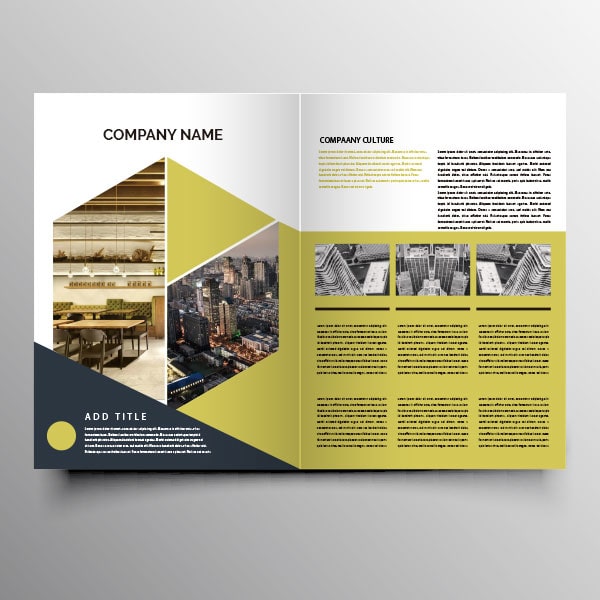
Các ấn phẩm quảng cáo vẫn là một hình thức tiếp thị nhượng quyền không hề lỗi thời, và đóng một vai trò cực kỳ quan trọng. Các ứng viên nhượng quyền của bạn sẽ thấy được và “nghiền ngẫm” từng chi tiết trên những tờ rơi này cho xem.